Communities begin to lose themselves when they stop listening to their rivers.
by Marco Villegas
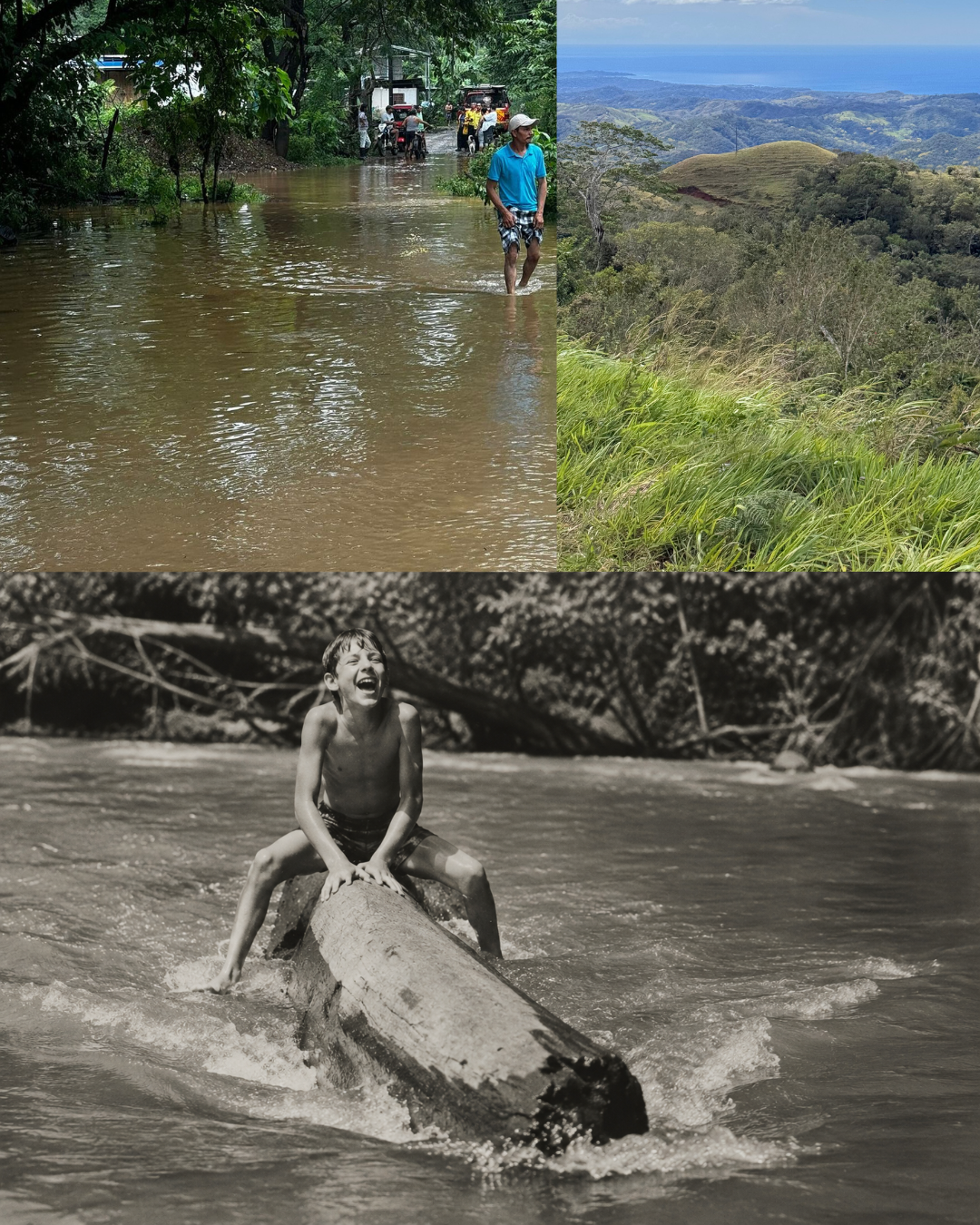
There are communities that turned their backs on their rivers as they grew into cities.
They transform them into invisible channels, dark drainage ditches, uncomfortable boundaries, or simple geographic accidents trapped between highways, concrete, and urban development. Over time, people stop looking at them, and eventually, as new generations arrive who never knew them as rivers, they stop remembering them altogether.
But there are still places where the river remains something else entirely: a living space, a presence, a memory that flows through generations.
In Nosara, the river has always been there.
Long before the hotels, the hundreds of vacation rentals, the developments, roads, and bridges, the Nosara River was already flowing through this valley on its way to the sea. It was here when Chorotega groups moved through these jungles and savannas hunting deer and peccaries among wetlands and creeks. It was here when the first settlers began arriving from Nicoya in search of land, isolation, and adventure in a difficult and remote territory.
It was also here during the cattle ranching era, when much of the valley was an immense pastureland.
Aerial photographs from the 1940s reveal a landscape completely different from the one many people associate with Nosara today: vast open spaces, scattered trees, endless fences, and the river winding its way through large cattle ranches.
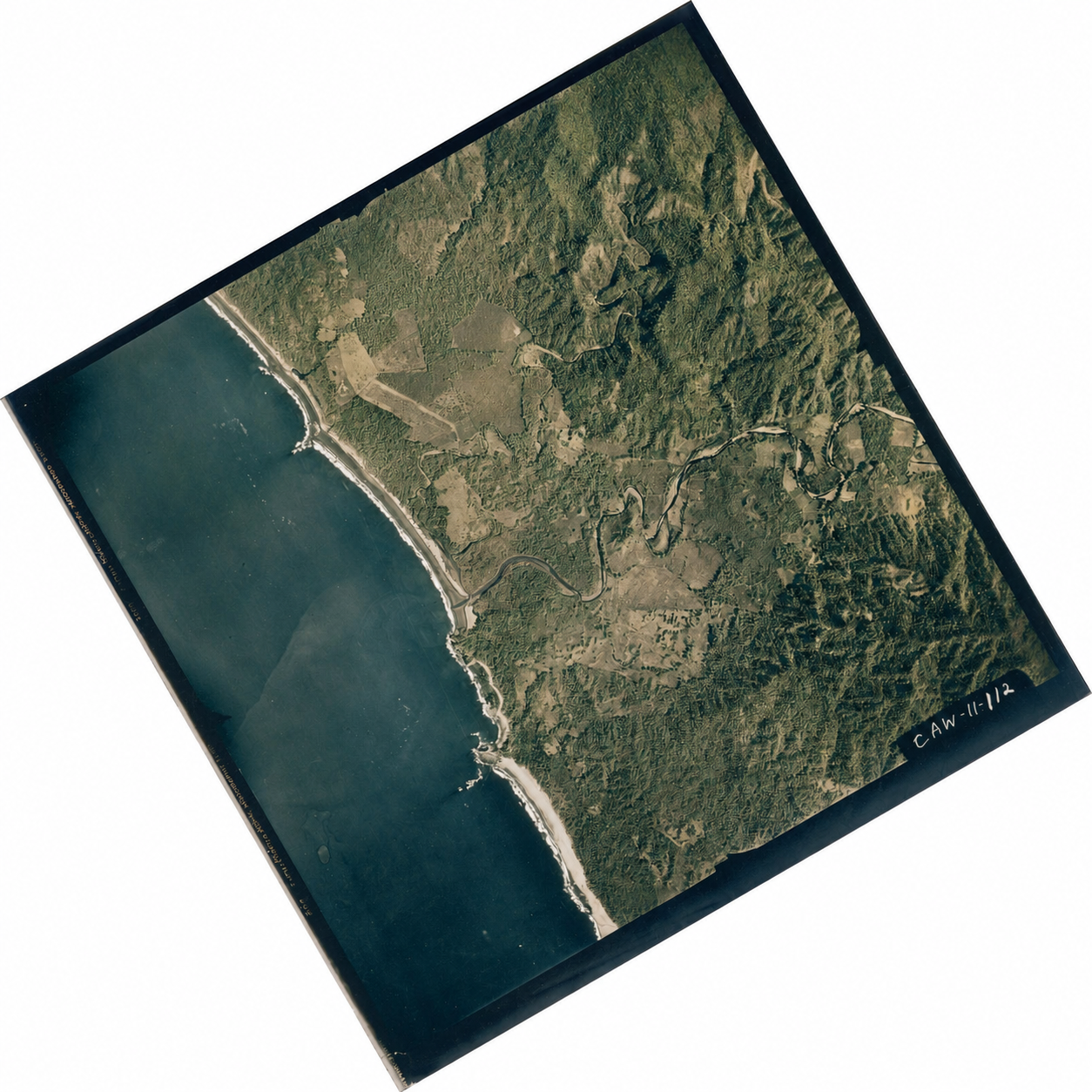
And still, the river remained there, like a living backbone quietly holding the territory together.
People say that many of the kids who grew up during those years learned to understand the landscape through the river itself. They swam in its pools, fished along its banks, and rode downstream on massive floating logs from the upper reaches, screaming with laughter as the current carried them along.
The river was play, danger, adventure, and school, a very different kind of school, than the ones we know today.
It was there that people learned the strength of the current, the depth of the water, the rhythm of the rainy season, and the respect owed to something that was never completely under human control.
Maybe that is why some people still say that if you bathe in the Nosara River, you never truly leave.
Not because there is magic in the water, but because some territories find a way to stay inside of you, especially the ones that are still alive.
The Nosara River has never been just scenery.
During the rainy season, when heavy rains fall in the mountains and the tide begins pushing in from the ocean, the entire community turns its attention back to the river.
The water changes color, the current swells, and the crossing can close.
And for a few hours, sometimes days, the modern illusion that we fully control the territory disappears. The river reminds us of something older, something cities often forget: that we live within nature, not outside of it.
Over time, human attempts to contain that force also arrived. The dike emerged like a broken line drawn against uncertainty, an infrastructure born from the need to protect homes and entire communities from flooding.
But even today, with dikes and roads, the river still commands respect.
And perhaps that is necessary, because human communities need occasional reminders that there are forces greater than themselves.
The Nosara River also witnessed the return of the forest.
For decades, it flowed through a valley dominated by cattle and open pastureland. But little by little, something began to change. Ranching receded. New economies arrived. Tourism transformed the territory and, almost silently, the forest began to recover.
First timidly, then with force, creek by creek, hillside by hillside, tree by tree, until much of the landscape was covered in green once again.
Today, from the air, it is hard to imagine that many of the forests surrounding Nosara were pastureland just a few decades ago. The river was here to witness that small tropical miracle as well: the natural regeneration of an entire territory.
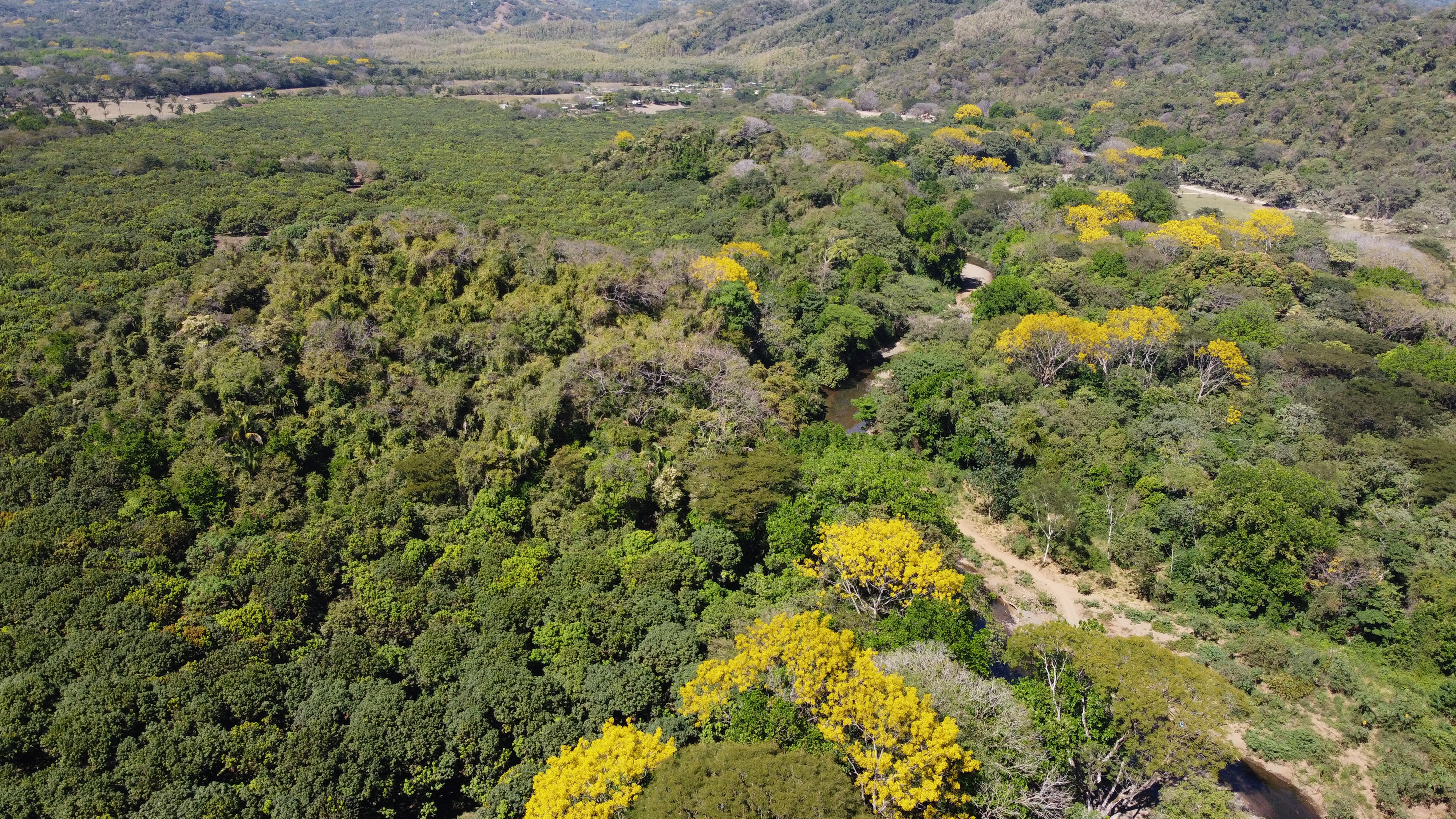
Perhaps the true value of a river lies not only in the water it carries to the sea, but in its ability to connect memories, generations, and different landscapes within a shared territorial story.
As long as the Nosara River continues flowing through this valley with jungles along its banks, wildlife moving through its creeks, and communities capable of recognizing its power, something essential about what made Nosara Nosara will still remain.
And perhaps that is one of the great challenges facing many modern communities: not simply to grow, but to learn how to grow without completely breaking their relationship with the living territory that sustains them.


Leave a Reply